The Real Truth: Ipad 11 2025 or Galaxy Xr?
Category: Laptops
Introduction
Buying a tablet in 2025 is often a question of ecosystem, use case, and long-term value. Two headline products that repeatedly draw attention are the Ipad 11 2025 and the Galaxy Xr. Both aim to serve the broad middle ground between ultraportable laptops and traditional tablets, targeting creators, students, and professionals who want a flexible device for content consumption, note-taking, and productivity. This guide compares the two from the perspective of everyday buyers: how they perform in real tasks, where each one shines, and how to decide which is better for specific needs.
How buyers think about tablets today
Most shoppers evaluate tablets on a handful of practical points: performance for multitasking and creative apps, display quality for media and design work, battery life for full-day use, accessory support (pens and keyboard covers), portability, and long-term software updates. Many also consider integration with existing devices — iPhone owners often weigh the strength of Apple's ecosystem, while users of Samsung phones or Windows PCs consider how well a new tablet will fit into that flow. The following sections analyze the Ipad 11 2025 and Galaxy Xr through those same buyer-centric lenses.
Detailed product review and analysis
Ipad 11 2025 — The creative-first, tightly integrated tablet
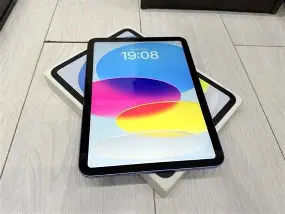
The Ipad 11 2025 continues Apple's strategy of pairing a well-optimized operating system with hardware and accessories designed to appeal to creatives and users who value software polish. iPadOS emphasizes touch-first interactions and tablet-class apps. For many users this means better-optimized versions of popular creative and productivity tools, a wide selection of pens and keyboards that feel like first-party accessories, and robust continuity features that connect the tablet seamlessly to other Apple hardware.
In real-world use, the Ipad 11 often impresses with its responsiveness during sketching, photo editing, and video timelines where precise touch and stylus interaction matter. Tasks like annotating PDFs, taking lecture notes, or doing quick compositing in a mobile video editor feel fluid. The App Store’s depth for tablet-optimized apps remains an advantage: there are apps that are explicitly made for larger screens with gesture-driven workflows, and many pro-grade creative apps receive prioritized updates.
Design-wise, Apple prioritizes a premium fit and finish. Buyers who travel frequently will appreciate the solid build and light weight, and users who value consistent software updates can expect years of OS and security support from Apple, which is an important consideration for long-term ownership.
Galaxy Xr — The flexible, productivity-oriented alternative
The Galaxy Xr is Samsung’s take on a work-leaning tablet that blends Android’s flexibility with Samsung’s ecosystem features. One of the Galaxy Xr’s strengths is multitasking: split-screen, floating windows, and deeper continuity with Galaxy phones and other Samsung devices make it a good choice for people who juggle messaging, email, and multiple productivity apps. Samsung also pushes features that help with phone-to-tablet continuity, file sharing, and use as a secondary display for Windows machines.
Real-life scenarios that highlight the Galaxy Xr’s strengths include office work on the go, where users need to move between a web-based document, a messaging window, and a presentation. The Galaxy Xr tends to be more forgiving when it comes to installing third-party app stores or sideloading specialized tools, which can be valuable for corporate environments that run niche Android applications.
For creators, Samsung has historically improved tablet-optimized apps and its included stylus (S Pen) support is generally strong. The Galaxy Xr typically emphasizes openness and connectivity: more port options, better file management transparency, and convenient peripheral support. These traits make it attractive to users who want a tablet that behaves more like a conventional computer.
Pros & Cons
Ipad 11 2025 — Pros
- Polished app ecosystem: Tablet-optimized apps for creativity and productivity are plentiful and often better integrated with iPadOS.
- Smooth stylus experience: First-party stylus and accessory support is highly tuned for low-latency note-taking and drawing.
- Long-term software support: Apple’s update cadence and device longevity are industry-leading.
- Premium build and consistent performance: Hardware and software are tightly matched for reliable everyday responsiveness.
- Strong continuity: Works seamlessly with iPhone and Mac for handoff, universal clipboard, and ecosystem features.
Ipad 11 2025 — Cons
- Relatively closed ecosystem: Less flexibility for sideloading apps and file system access compared to Android.
- Accessory cost: High-quality keyboards and pens are often sold separately and can be expensive.
- Fewer ports: Users who need many external connections may need dongles or hubs.
Galaxy Xr — Pros
- Flexible multitasking: Android and One UI features allow robust windowed multitasking for power users.
- File system freedom: Easier access to files, external storage, and alternative app sources.
- Broad connectivity: Often more ports and better peripheral compatibility out of the box.
- Integration with non-Apple devices: Works well with Windows PCs and Samsung phones for shared workflows.
- Value for productivity: Attractive for users who want a laptop-like experience without full laptop tradeoffs.
Galaxy Xr — Cons
- App quality varies: Not all Android apps are optimized for large tablets; some phone apps may scale awkwardly.
- Software update longevity: While improving, Android update windows can be shorter or less predictable than Apple’s.
- Fragmented accessory ecosystem: Third-party accessories vary widely in quality and compatibility.
Side-by-side comparison
The following table summarizes the tradeoffs in a concise format to help buyers compare at a glance.
| Category | Ipad 11 2025 | Galaxy Xr |
|---|---|---|
| Operating System | iPadOS — optimized tablet experience, curated App Store | Android/One UI — flexible, windowed multitasking |
| App Ecosystem | Strong in creative apps and tablet-first titles | Broad apps, but tablet optimization varies |
| Stylus/Note-taking | Highly tuned, low-latency pen support | Excellent pen support; strong Samsung integration |
| Multitasking | Good split-view and stage manager-style workflows | Superior for floating windows and desktop-like multitasking |
| Connectivity & Ports | Minimal ports, relies on adapters | Tends to offer more ports and direct peripheral support |
| Integration | Seamless with iPhone and Mac | Seamless with Galaxy phones and better PC integration options |
| Repairability & Service | Proprietary parts and controlled repair channels | Varies; some models offer easier access for repairs |
| Ideal user | Creatives, Apple ecosystem users, students wanting polished apps | Power users, professionals who value flexibility and PC connectivity |
Real-world use cases and scenarios
Examining typical buyer profiles clarifies which device tends to be a better fit.
Shop the latest Laptops & Computers picks on Amazon.
View Offers →
Students and note-takers
Students who take long handwritten notes, annotate PDFs, and need a lightweight device for classes will appreciate the Ipad 11’s consistent stylus experience and the availability of high-quality educational apps. Battery life and years of software updates are also beneficial for multi-year courses.
However, students who rely on a wide range of file types, use browser-based school systems with legacy plugins, or need easy printing and file export to USB drives may find the Galaxy Xr more accommodating because of its flexible file system and connectivity.
Creators and designers
Illustrators, photo editors, and mobile video creators often prefer the iPad for its app ecosystem — several leading artistic apps are optimized for iPad and the stylus latency tends to be excellent. The color-accurate displays and accessory support are further advantages.
That said, creators who depend on specific Android apps, prefer alternative input devices, or need to use the tablet as a bridge to a Windows workflow can benefit from the Galaxy Xr. The ability to run multiple overlapping windows can help when moving assets between apps.
Business and productivity users
For email, video conferencing, document editing, and working with large spreadsheets, the Galaxy Xr’s multitasking model and PC-friendly features often give it an edge. It can act as a practical replacement for lightweight laptops in many office scenarios.
Conversely, professionals invested in Apple’s ecosystem — using iCloud, Handoff, and Mac-specific productivity apps — will find the Ipad 11 offers a more frictionless experience for day-to-day tasks.
Buying guide — What to consider before choosing
When deciding between the Ipad 11 2025 and Galaxy Xr, buyers should evaluate the following factors in light of their personal workflows.
1. Ecosystem and existing devices
If you already own an iPhone or Mac, the Ipad 11 amplifies that investment through tight integration. Similarly, Galaxy phone or Samsung Watch owners get deeper continuity with the Galaxy Xr. Choose the tablet that complements devices you use daily to minimize friction.
2. Primary tasks
List the things the tablet must do well. If sketching, painting, or using mobile-first creative suites is central, lean toward the Ipad 11. If juggling multiple windows, heavy web-based work, or linking to Windows PCs is essential, the Galaxy Xr may be preferable.
3. App availability and optimization
Check whether the apps you rely on have tablet-optimized versions and whether they support stylus features, file export options, and offline modes. Try to test apps on a device if possible — some apps that look fine on paper behave differently on large screens.
Find top-rated Laptops & Computers products at great prices.
View Offers →4. Accessories and total cost
Factor in the cost of pens, keyboard covers, and storage upgrades. A tablet’s base price can rise substantially once essential accessories are added. Also consider third-party options; some buyers value the breadth of cheaper accessories available for Android devices, while others prioritize first-party Apple accessories for a guaranteed fit.
5. Software updates and longevity
Longevity matters. Devices that receive security updates and new OS features for many years provide better long-term value. Historically, Apple provides longer guaranteed update windows; Samsung and other Android OEMs have improved but buyers should check the manufacturer’s published update policy for the specific model.
6. Repairability and resale
Consider ease of repair, warranty terms, and resale value. Premium iPads have retained strong resale value, which can offset initial cost when upgrading. Repair policies differ by region and manufacturer; buyers should confirm local repair options and costs.
7. Portability and battery life
Think about real daily endurance. Battery claims are often measured under ideal conditions; look for third-party or real-world tests if battery longevity under your typical usage matters, and consider weight if the tablet will be carried for hours at a time.
8. Privacy and permissions
Both platforms provide privacy controls, but they approach permissions differently. People who need strict app vetting and predictable privacy behavior may prefer a platform that prioritizes a curated app store, while others may value Android’s transparency around app permissions and side-loading options.
Final recommendations
For many buyers the decision comes down to priorities:
- Choose the Ipad 11 2025 if: the priority is a polished creative workflow, consistent stylus performance, a strong catalog of tablet-optimized apps, and long-term software support. It’s especially compelling for students, artists, and anyone already invested in Apple’s ecosystem.
- Choose the Galaxy Xr if: flexibility, windowed multitasking, and broader connectivity are more important. It suits professionals who use a mix of devices, need easier file management, or want a tablet that can more closely mimic a laptop’s behavior.
Conclusion
Both the Ipad 11 2025 and the Galaxy Xr are compelling devices that reflect two different philosophies: one emphasizes polished integration and app quality, the other emphasizes openness and productivity flexibility. The "real truth" is that neither device is objectively better for every buyer — the right choice depends on existing devices, the most common tasks the tablet will be used for, and how much the buyer values long-term software support versus short-term flexibility.
Shoppers should weigh ecosystem fit, accessory costs, and the concrete workflows they rely on. If possible, testing each device hands-on or comparing the specific apps and accessories they plan to use will make the decision clearer. With that practical approach, buyers can choose the tablet that not only looks good on paper, but reliably improves their daily work and creative routines.