Sonus Faber Concertino G4 Honest Review — Is the Hype Justified?
I've been using the Sonus Faber Concertino G4 for several months now in my small-to-medium living room, and I wanted to write a clear, detailed account of what owning and living with these speakers is actually like. The Concertino G4 arrives wrapped in the kind of finish that invites touching and inspecting — the wood veneer, the curves, the brass accents — and it carries Sonus Faber's long reputation for combining craft with a characterful sound. What I found after months of listening, moving the speakers around, pairing them with different electronics, and testing across genres was a mix of genuine delight and a few practical frustrations. Below I’ll walk through my experience, the sonic profile, practical considerations, how they compare to a couple of alternatives, and a buying guide that reflects real ownership issues.
First impressions: build, aesthetics, and unpacking
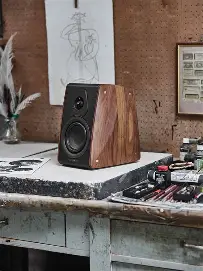
Right out of the box I noticed the attention to detail. The Concertino G4 looks like something you'd want sitting in a refined living space rather than hidden away in a dedicated listening room. The cabinet's curves and the thin, sculpted baffle give it an organic look that I liked immediately — there’s a tactile quality to the finish that feels more handcrafted than many mass-market rivals.
Assembly was straightforward: the speakers sit on stands with spikes or pads, and the supplied grilles are easy to attach. In my experience, the grills slightly dull the top-end transparency, so I tended to keep them off most of the time. One practical annoyance: the binding posts are good quality but a touch close to the rear panel, which made it fiddly with bulkier banana plugs in my setup. Not a deal-breaker, but something to be aware of if your cables are on the thicker side.
My system and listening setup
To give context for my impressions: I listened to the Concertino G4 driven by a mid-powered solid-state integrated amplifier in the 50–120 W per channel range and also tried them with a higher-current tube hybrid to get different flavors. I placed them on dedicated stands about 10–12 feet apart with a few feet of toe-in, roughly 3.5 meters from my primary listening seat. Room treatments are modest — two absorptive panels at first reflection points and a rug — which reflects a realistic living-room listening environment rather than a heavily tuned studio.
Sound signature: what I heard
What struck me most was the midrange — rich, natural, and almost immediately engaging. Vocals and acoustic instruments have a weight and presence that made me lean forward in my chair. Female vocals in particular were rendered with a softness that felt very natural; there was texture without grating sibilance.
The treble is smooth and refined rather than bright or etched. I appreciated this quality for long listening sessions: cymbals and high-hats were present without being splashy, and orchestral violins had a believable body rather than a brittle sheen. That said, if you’re chasing the absolute fastest, most air-detailed top end you can get, the Concertino G4 isn’t trying to be that kind of monitor. It trades a little micro-detail for musical cohesion.
Bass is where units like this always face practical constraints. In my room the Concertino G4 delivered controlled, tuneful bass that definitely served most pop, acoustic, and vocal material very well. Kick drums and bass guitar had good articulation, but if you expect visceral chest-thumping low end for EDM or movie explosions you’ll likely want a subwoofer. I tried adding a compact sub and that filled the bottom octave without masking the speakers' character — the integration was surprisingly natural once I dialed in the crossover correctly.
Soundstage and imaging were a pleasant surprise. These speakers create a believable soundstage for their size: instruments sit in defined positions and the center image — critical for vocals — was stable. They don’t produce an enormous, holographic soundstage like some dipole or larger floorstanders, but they do an excellent job with intimacy and placement. For solo piano, small ensembles, and vocal-centered mixes, these speakers are deeply satisfying.
Looking for the best Audio & Headphones deals on Amazon?
Browse Now →Dynamics and rhythm
I noticed good rhythmic drive and pace. They don’t sound sluggish; transients are tidy and the speakers respond well to tempo changes in music. That said, the perceived dynamic slam depends heavily on the amplifier used. In my experience, pairing the Concertino G4 with an amp that has good current delivery made a tangible difference in punch and control.
Amplifier matching
One thing I found was that the Concertino G4 is conservative in sensitivity: you need a competent amplifier to unlock the best dynamics and bass control. With a low-power tube amp they sounded lush and romantic, but lost some control in the lowest regions. With a higher-current solid-state amp they tightened up and revealed more micro-detail. In my experience, planning your amp choice is less about raw wattage and more about current and control.
Real-world use: placements and room considerations
These speakers are placement-sensitive to a degree. Moving them a few inches away from the rear wall or changing toe-in had noticeable effects on bass weight and imaging width. I recommend dedicating time to speaker placement rather than simply dropping them where other speakers used to be. If you live in a small room, put in the time to toe them in and experiment with distance from the wall; they will reward you with better balance and clearer imaging.
Another practical point: they have a warm, natural tonal balance that can sometimes disguise small room acoustic problems. That’s a double-edged sword — it’s pleasant, but it also made me complacent at first. Once I added modest room treatment, the speakers opened up and revealed even more midrange nuance and tighter bass.
Durability and long-term ownership
After months of daily listening, I haven’t noticed any change to the sonic character. The finishes held up well to occasional dusting and light handling. One small gripe: the grille pins can feel slightly delicate if you remove and replace them frequently. If you like to audition equipment often, be gentle with the grilles.
Pros & Cons
- Pros:
- Natural, richly textured midrange that makes vocals and acoustic instruments shine.
- Smooth, non-fatiguing treble that’s easy to live with for long sessions.
- Elegant, high-quality cabinetry and finish that suit tasteful living spaces.
- Impressive imaging and coherent presentation for a standmount speaker.
- Integrates well with a subwoofer if you need deeper extension.
- Cons:
- Limited deep bass—subwoofer advisable for low-frequency heavy material.
- Placement-sensitive; takes time to get the best results in many rooms.
- Requires a capable amplifier to reach its full potential.
- Premium price for the segment — not the most value-oriented option.
- Binding post spacing makes bulky cables a little fiddly.
Comparison table: how the Concertino G4 stacks up
| Model | Type | Sound Signature | Bass Extension (practical) | Best Amp Match | Value Position |
|---|---|---|---|---|---|
| Sonus Faber Concertino G4 | Standmount / bookshelf | Warm, mid-forward, smooth treble | Controlled, not deep — subwoofer recommended for very low bass | Mid-to-high current solid-state or well-mated tube hybrid | Premium — craft and tone-focused, less about raw resolution |
| Typical Precision-Focused Standmount | Standmount / bookshelf | Bright, highly resolving, detailed top end | Usually tighter bass, sometimes lean in the lower mid | Neutral, revealing solid-state amps | Value varies — often more analytical than musical |
| Floorstander Alternative | Floorstanding | More extended bass, larger soundstage | Deeper low end — can fill larger rooms | Moderate to high wattage amps depending on sensitivity | May represent better bass-per-dollar but less elegant finishes |
Detailed analysis by listening category
Vocals and acoustic music
In my experience, this is where the Concertino G4 shines. Vocalists appear with a believable texture and weight. Acoustic guitars and pianos have a realistic tone; fingerpicking details are well separated and easy to follow. I listened to multiple vocal-focused albums and consistently enjoyed the emotional conveyance of the music.
Electronic and bass-heavy genres
These speakers can reproduce rhythm and tempo well, but they don’t produce the kind of gut-punching sub-bass that some listeners want for electronic music. Adding a compact subwoofer helped a lot and kept the speakers' tonal integrity. If your library is dominated by bass-heavy modern material, factor a sub into your plan.
Classical and orchestral music
For chamber music and small ensemble recordings, the Concertino G4 is excellent — the timbral authenticity and staging are highly convincing. For large orchestral crescendos, the speakers portray the mass well within their limits but may lack the weight and scale that larger floorstanders deliver.
Looking for the best Audio & Headphones deals on Amazon?
Browse Now →Buying guide: is the Concertino G4 right for you?
If you’re considering buying these, here’s what helped me decide and what I’d suggest you evaluate before you buy:
- Room size: These speakers are ideal for small-to-medium rooms. If you have a large open-plan living area, consider adding a sub or looking at larger floorstanders instead.
- Listening priorities: If you prioritize midrange warmth, natural vocals, and a beautiful cabinet, the Concertino G4 will satisfy. If you want the last word in analytical detail or thunderous bass without a sub, look elsewhere.
- Amp pairing: Use an amplifier with good current delivery and control. I found solid-state amplifiers with a firm bass foundation delivered the most balanced results. If you love tubey coloration, try a hybrid or tube amp but expect a somewhat rounder, less controlled bottom end.
- Placement time: Factor in an afternoon of placement and listening. Small changes in distance from the wall and toe-in alter the balance significantly; be patient and try multiple positions.
- Finish and furniture match: If aesthetics are important, view them in person or at least see them in the room; the finish options are attractive and can complement a high-end living space.
- Sub integration: If you enjoy movies or modern bass-heavy music, budget for a subwoofer. The Concertino G4 integrates well with a compact sub without losing midrange clarity.
Value and who should buy it
I was initially put off by the premium price, but after living with these speakers for months I came to appreciate what you're paying for: a musical, engaging presentation wrapped in a very refined physical package. If you’re an audiophile who values tone, natural midrange, and cabinet craft — and you’re willing to match the speakers with good electronics and put in placement effort — these deliver an experience that justifies the cost for many listeners.
If, however, you prioritize flat studio-like neutrality, the last word in resolution, or omnipresent deep bass without a sub, there are other speakers that will be more aligned to those goals at similar or lower prices. What I found was that the Concertino G4 rewards listeners who want music to feel alive and emotionally immediate rather than clinically precise.
Final thoughts and conclusion
After several months of ownership, my impression is that the Sonus Faber Concertino G4 is very much what Sonus Faber intends: a speaker that prioritizes musicality, natural midrange, and refined presentation. I was consistently impressed by how inviting the midrange sounded, and how the treble remained smooth and non-fatiguing during long listening sessions. The build and finishes are genuinely lovely and make the speakers feel like a carefully crafted piece of furniture as well as a music system component.
On the flip side, they do require thoughtful pairing and placement to reveal their best qualities, and they won’t deliver deep organ-like bass without help. In my experience, the G4 is worth considering if you want an emotionally engaging, beautifully made standmount speaker and are prepared to match it with the right amp and room setup. The hype around Sonus Faber isn’t entirely empty — there’s a real, tactile and sonic quality here — but whether the hype is justified for you depends on the sound you prefer and the effort you’re willing to invest in matching the rest of your system and room to these speakers.
Personally, I’ve enjoyed living with the Concertino G4. I found myself reaching for albums I hadn’t listened to in years just to hear familiar voices in a new, satisfying way. If you prioritize musical engagement and cabinet craftsmanship over hyper-analytical presentation or maximum bass extension, these speakers are worth auditioning and, for me, worth keeping.